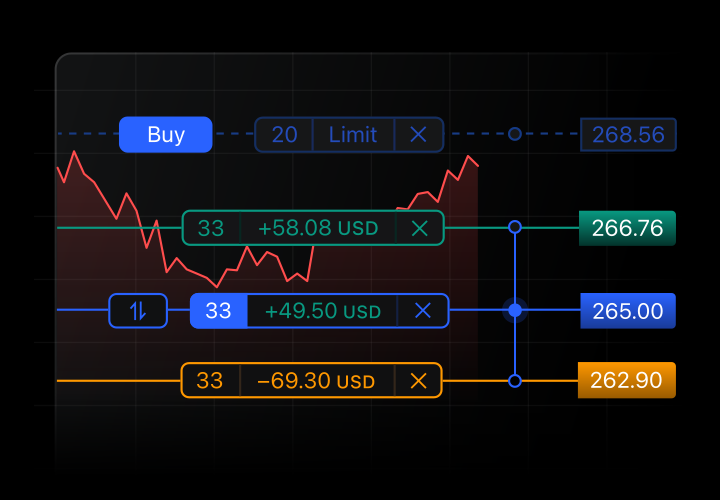
Supercharts: Chart Workspace Architecture
Supercharts integrates price data, indicators, overlays, and annotations within a unified analytical canvas. Configuration options include scaling models, time navigation, visual themes, and indicator stacking logic.
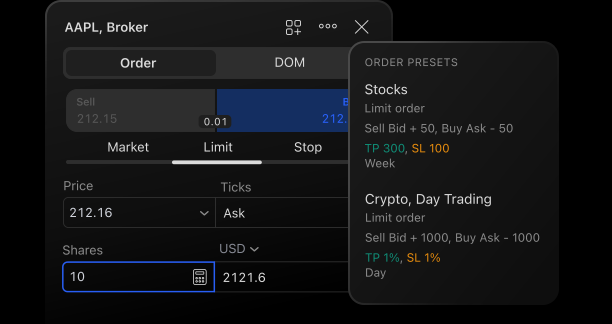
Instrument Discovery and Exchange Identification
Symbol search connects charts to global market instruments. Exchange-level disambiguation prevents ticker conflicts across venues and supports structured watchlist management.
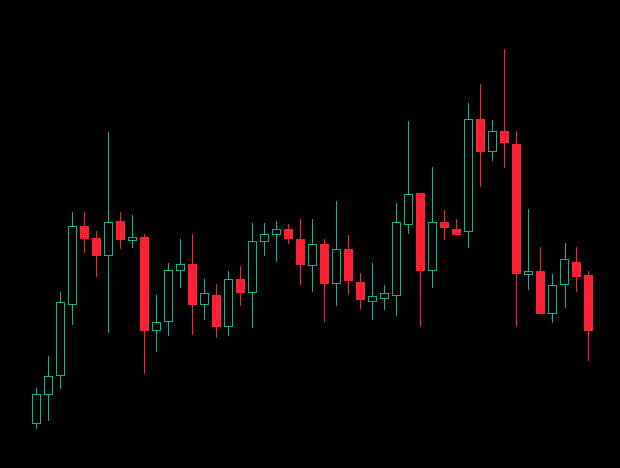
Chart Types and Timeframe Models
Chart type defines aggregation methodology. Timeframe defines sampling interval. Their interaction affects volatility visibility, signal density, and indicator responsiveness.
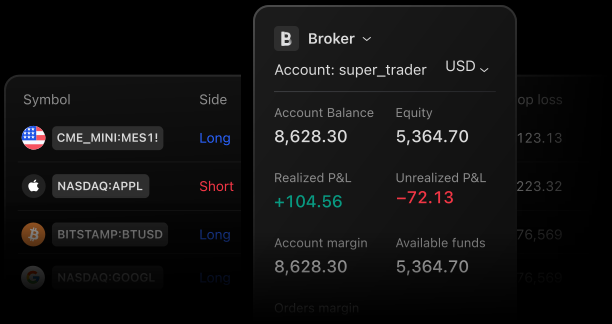
Multi-Chart Layout Synchronization
Layouts allow multiple chart instances to operate within a synchronized workspace. Crosshair linking, timeframe locking, and symbol grouping enable comparative market analysis.
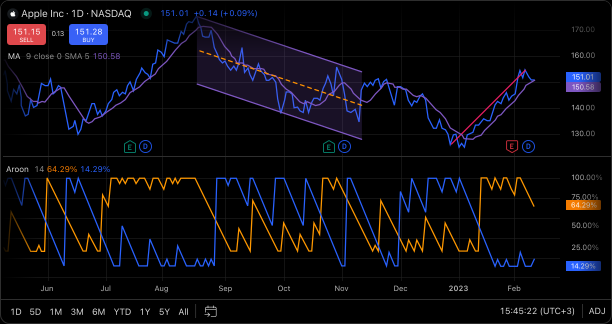
Annotation and Drawing Precision Controls
Drawing tools support structured chart markup including trend lines, levels, projections, and measurement tools. Magnet snapping, lock states, and template reuse enhance repeatability.